A heated analysis of those tragic 1970s in Argentina is currently being experienced throughout the country on the occasion of the 50th anniversary of the military coup (some describe it as a civic-military coup, even with the support of the Catholic Church), which interrupted the democratic government led by María Estela Martínez de Perón, “Isabelita.” Vice President to Juan Domingo Perón until his death on July 1, 1974, the couple as a formula had come to power with almost 62% of the Argentine votes.
8,961 disappeared?
During these last five decades, there has been much debate about the number of disappeared between 1976 and 1983 when the dictatorship ended, and elections were called in which Raúl Alfonsín won. From Peronist sectors and the organization Mothers of Plaza de Mayo, brave mothers of the disappeared, set the number at 30,000 disappeared, a figure communicated in Europe at the end of the dictatorship to secure financial support in the fight against the usurpers of power and with the idea of installing a thorough investigation into what happened. But after the work of the National Commission on the Disappearance of Persons (CONADEP), the official number announced was 8,961 disappeared persons.
To launch this investigation, it was then-President Alfonsín who made the political decision to prosecute the military, while CONADEP collected thousands of testimonies that became part of a judicial file containing all the horror produced during the dictatorship with persecutions, detentions, kidnappings, torture, and death of thousands of citizens.
Especially of those who had participated in or supported the guerrilla struggle led by the People’s Revolutionary Army (ERP) and the Montoneros guerrilla group, who came from the same party that governed between 1973 and 1976, the Justicialist or Peronist party, but who considered it had “shifted to the right” under Perón and his wife Isabel, even more so with the appearance of another guerrilla group, the Triple A (Argentine Anticommunist Alliance), illegally funded by the government. CONADEP drafted the final report titled Never Again, a fundamental demonstrative basis that enabled the trial of the Military Juntas in 1985 and the conviction of all its members who ruled the country during the cited period.
The decisions of the Justicialist Government
It is necessary to go further back to recall that from the government of Perón’s widow, very harsh decisions were made to fight against the subversive guerrilla, starting with the so-called Independence Operation, within the framework of decree 261/75 of February 5, 1975, which initiated a frontal fight against the guerrilla, which would not stop until after the coup, extending throughout the entire dictatorship.
The interpretation, especially by the military of that time, was that with this decree, operations were authorized “to annihilate the subversives in the province of Tucumán” (in the north of the country), where they had concentrated the most, although it was later applied throughout the national territory and even more in the South American region through the Condor Plan, which was also followed by the dictatorships of Chile, Bolivia, Paraguay, and Uruguay.
The explanations of ‘Isabelita’
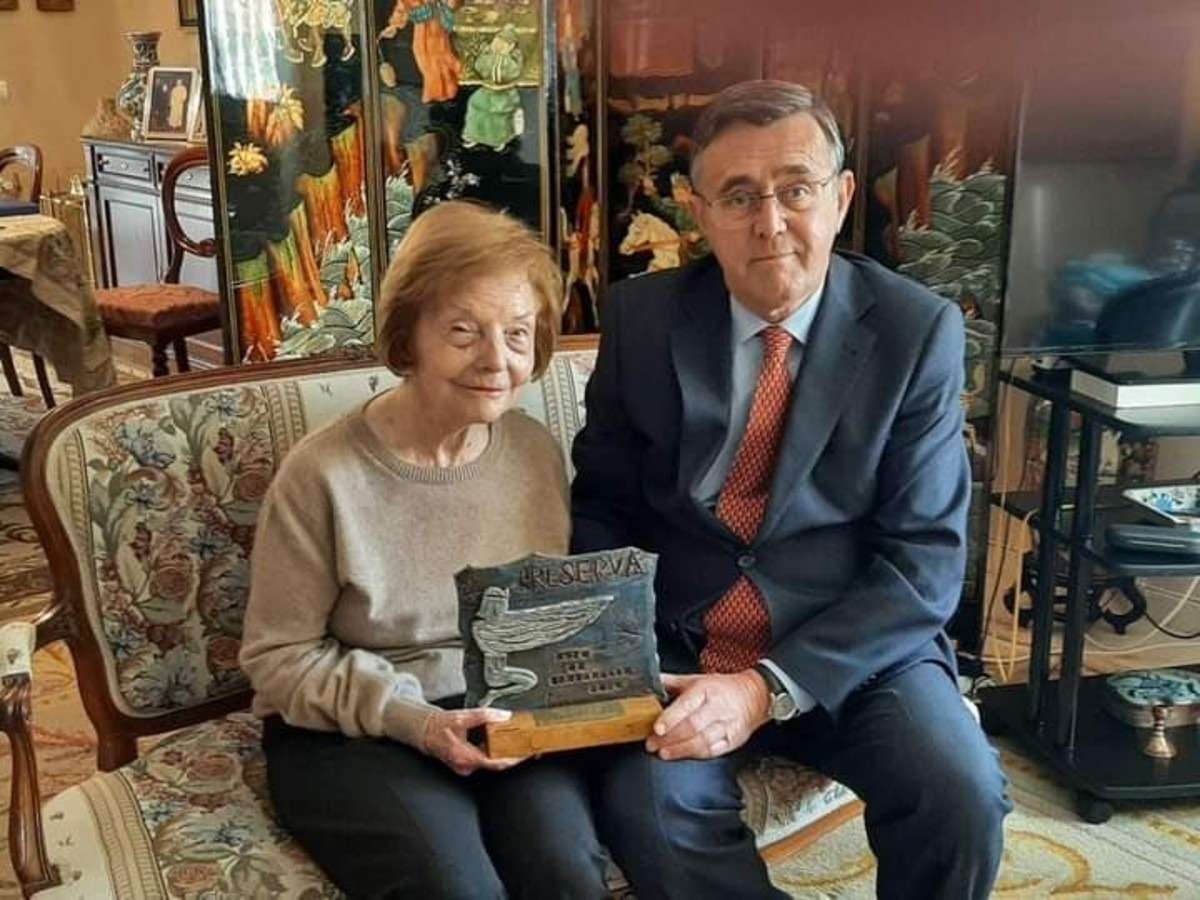
But there is someone who was a protagonist of that historical period, who is 95 years old today and has resided in Madrid (Spain) since 1981, when she was released in Buenos Aires after five years of imprisonment ordered by the dictatorship following her overthrow: “Isabelita” Perón, the former president. She was summoned in 1997 in Madrid by Judge Baltazar Garzón to testify at the National Court about the 266 Spanish citizens who disappeared in Argentina during the military dictatorship and part of her government.
The chronicle of February 5, 1997, by the Madrid correspondent of the Argentine newspaper Clarín, Juan Carlos Algañaraz, stated that in response to a specific question from Judge Garzón, the former president replied that “the situation was very complicated,” and in her view, what was arranged against the guerrilla and adherents during her government was “political annihilation,” but not physical of those guerrillas, and that it was used to justify other objectives.
She also revealed about this device that she could do little as president and commander-in-chief of the Armed Forces due to her condition as a woman “facing all the Armed Forces dominated by men.” She also confessed to Garzón that “she knew nothing” about the disappeared Spaniards and that when, after a twenty-day sick leave, she returned, no one updated her. Immediately, the judge asked her who governed Argentina then, and Isabel replied that “the issue is still a real enigma for me today.”
She even added that she suspected they “removed her from the scene” to sign those decrees authorizing the detention and trials of citizens that she “would never have signed.” She also spoke of a “conspiracy theory” against her and the action of “traitors and pseudo-Peronists.” In response to Garzón’s questions to name those involved in the so-called “anti-subversive” operations, she replied that she would not do so because if she spoke, it would provoke “a civil war in Argentina.” She answered much of the interrogation with “I don’t remember.”
A heated analysis of those tragic 1970s in Argentina is currently being experienced throughout the country on the occasion of the 50th anniversary of the military coup (some describe it as a civic-military coup, even with the support of the Catholic Church), which interrupted the democratic government led by María Estela Martínez de Perón, “Isabelita.” Vice President to Juan Domingo Perón until his death on July 1, 1974, the couple as a formula had come to power with almost 62% of the Argentine votes.
8,961 disappeared?
During these last five decades, there has been much debate about the number of disappeared between 1976 and 1983 when the dictatorship ended, and elections were called in which Raúl Alfonsín won. From Peronist sectors and the organization Mothers of Plaza de Mayo, brave mothers of the disappeared, set the number at 30,000 disappeared, a figure communicated in Europe at the end of the dictatorship to secure financial support in the fight against the usurpers of power and with the idea of installing a thorough investigation into what happened. But after the work of the National Commission on the Disappearance of Persons (CONADEP), the official number announced was 8,961 disappeared persons.
To launch this investigation, it was then-President Alfonsín who made the political decision to prosecute the military, while CONADEP collected thousands of testimonies that became part of a judicial file containing all the horror produced during the dictatorship with persecutions, detentions, kidnappings, torture, and death of thousands of citizens.
Especially of those who had participated in or supported the guerrilla struggle led by the People’s Revolutionary Army (ERP) and the Montoneros guerrilla group, who came from the same party that governed between 1973 and 1976, the Justicialist or Peronist party, but who considered it had “shifted to the right” under Perón and his wife Isabel, even more so with the appearance of another guerrilla group, the Triple A (Argentine Anticommunist Alliance), illegally funded by the government. CONADEP drafted the final report titled Never Again, a fundamental demonstrative basis that enabled the trial of the Military Juntas in 1985 and the conviction of all its members who ruled the country during the cited period.
The decisions of the Justicialist Government
It is necessary to go further back to recall that from the government of Perón’s widow, very harsh decisions were made to fight against the subversive guerrilla, starting with the so-called Independence Operation, within the framework of decree 261/75 of February 5, 1975, which initiated a frontal fight against the guerrilla, which would not stop until after the coup, extending throughout the entire dictatorship.
The interpretation, especially by the military of that time, was that with this decree, operations were authorized “to annihilate the subversives in the province of Tucumán” (in the north of the country), where they had concentrated the most, although it was later applied throughout the national territory and even more in the South American region through the Condor Plan, which was also followed by the dictatorships of Chile, Bolivia, Paraguay, and Uruguay.
The explanations of ‘Isabelita’
But there is someone who was a protagonist of that historical period, who is 95 years old today and has resided in Madrid (Spain) since 1981, when she was released in Buenos Aires after five years of imprisonment ordered by the dictatorship following her overthrow: “Isabelita” Perón, the former president. She was summoned in 1997 in Madrid by Judge Baltazar Garzón to testify at the National Court about the 266 Spanish citizens who disappeared in Argentina during the military dictatorship and part of her government.
The chronicle of February 5, 1997, by the Madrid correspondent of the Argentine newspaper Clarín, Juan Carlos Algañaraz, stated that in response to a specific question from Judge Garzón, the former president replied that “the situation was very complicated,” and in her view, what was arranged against the guerrilla and adherents during her government was “political annihilation,” but not physical of those guerrillas, and that it was used to justify other objectives.
She also revealed about this device that she could do little as president and commander-in-chief of the Armed Forces due to her condition as a woman “facing all the Armed Forces dominated by men.” She also confessed to Garzón that “she knew nothing” about the disappeared Spaniards and that when, after a twenty-day sick leave, she returned, no one updated her. Immediately, the judge asked her who governed Argentina then, and Isabel replied that “the issue is still a real enigma for me today.”
She even added that she suspected they “removed her from the scene” to sign those decrees authorizing the detention and trials of citizens that she “would never have signed.” She also spoke of a “conspiracy theory” against her and the action of “traitors and pseudo-Peronists.” In response to Garzón’s questions to name those involved in the so-called “anti-subversive” operations, she replied that she would not do so because if she spoke, it would provoke “a civil war in Argentina.” She answered much of the interrogation with “I don’t remember.”
—
fuente: Google News