

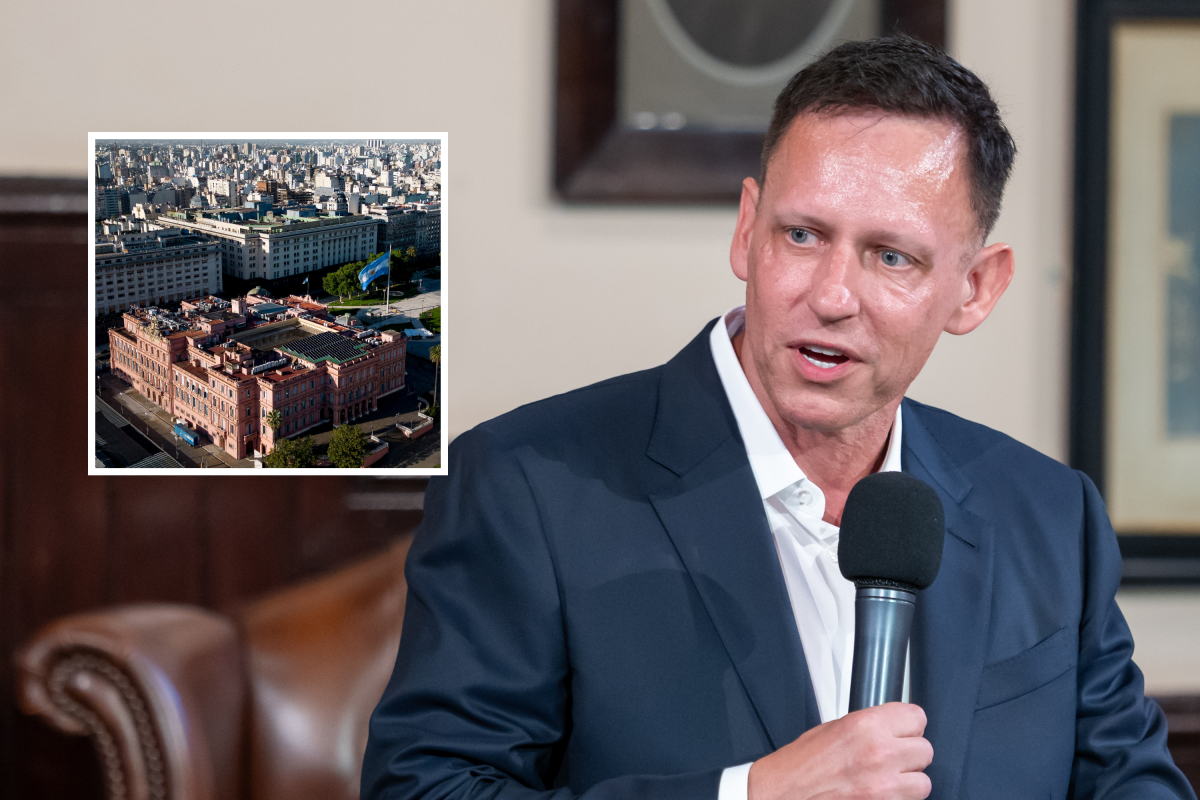
Tech billionaire Peter Thiel is facing fresh scrutiny over his ties to Argentina after reports suggested he had relocated abroad, but the reality appears more complex.
Key Points
- New York Times reporting suggested Thiel has established a foothold in Argentina, prompting widespread online claims he has “left” the U.S.
- Social media posts amplifying the report have gone viral, drawing tens of millions of views and sparking debate over his intentions
- Thiel has bought a $12 million mansion in Buenos Aires and met Argentine President Javier Milei multiple times
- Sources cited in reports say his move is partly tied to concerns about U.S. politics and a proposed California billionaire tax
- There is no confirmation that he has permanently left the U.S., with reports pointing instead to a temporary relocation
Reports on May 28 said the PayPal co-founder and Palantir chairman had temporarily relocated to Argentina, citing property purchases, political meetings and a family move to Buenos Aires rather than a confirmed permanent departure.
The story has gone viral online, fueling speculation about elite migration and raising fresh questions about confidence in the U.S. economy and political direction.
These reports affect perceptions of Thiel, Argentina’s investment climate under Milei, and broader debates over wealth taxes and capital flight.
Newsweek reached out to Thiel via Palantir and the Argentine government via its Cabinet Chief’s office via email on Friday morning.
Why It Matters
Movements by high-profile billionaires are often interpreted as signals of confidence in the U.S., even if individual decisions are shaped by multiple factors. In this case, reporting points to concerns about tax policy and political direction.
Thiel has long pursued what allies describe as “backup” options abroad, including securing citizenship in New Zealand and exploring residency elsewhere. His growing presence in Argentina comes as political and tax debates intensify in the U.S., particularly around proposals targeting ultra-wealthy individuals.
What Are Thiel’s Links To Argentina?
Claims that Thiel has “left” the United States gathered pace this week after a New York Times report described the billionaire investor establishing new roots in Argentina.
Those claims spread rapidly across social media, with viral posts racking up millions of views and presenting the move as a definitive exit from the U.S. But reporting suggests the situation is less clear-cut.
According to people familiar with his plans cited in The New York Times, Thiel has temporarily relocated with his family to Buenos Aires, where his children are now attending school.
That shift, while significant, does not amount to a formal departure from the U.S., where the bulk of his wealth and business interests remain based.
What is clear is a growing footprint in Argentina.
In April, Thiel bought a mansion worth roughly $12 million in Buenos Aires’ exclusive Palermo Chico neighborhood, a 17,200-square-foot property in one of the city’s most prestigious districts, the New York Post reported.
The purchase places him among a small group of high-profile foreign investors entering Argentina’s luxury property market at a time of sweeping economic reform.
But his engagement goes beyond real estate.
Thiel has met President Milei on multiple occasions, including a visit to the Casa Rosada Presidential Palace, where the pair discussed political and economic ideas aligned with their shared libertarian outlook, The New York Times reported.
Milei later described one meeting as “wonderful,” saying both men view “taxes as theft,” according to The Buenos Aires Times.
Rather than focusing on specific deals, Milei said the conversation centered on shared ideology and long-term political direction.
“He is an anarcho-capitalist, just as I am philosophically,” the president said, adding that Thiel asked how those ideas could endure beyond his administration.
Those meetings reflect a broader pattern of ideological alignment, with Milei actively courting foreign investment while promoting deregulation and tax cuts, per reporting in The Buenos Aires Times.
Thiel was an early Trump backer who donated $1.25 million to his 2016 campaign, but has since stepped back from directly funding the U.S. president.
People familiar with Thiel’s thinking, cited in the New York Times report, said concerns about the direction of the United States—particularly potential tax changes in California—have helped drive his interest in Argentina.
A proposed measure that could impose a one-off tax on billionaires is seen as one of several factors under consideration.
At the same time, Argentina offers something Thiel has previously sought elsewhere: distance from global conflict zones and, according to people familiar with his thinking cited in the New York Times, a potential hedge against geopolitical risk.
Still, there are clear limits to how far the move has gone.
There is no public confirmation that Thiel has permanently relocated or renounced residency in the United States.
Reports indicate his Argentine home is currently his only known investment in the country, underscoring that this may be an early-stage shift rather than a full transition.
What Happens Next
Thiel appears to be deepening ties to Argentina—through property, politics and personal presence—while maintaining his long-standing base in the U.S.
That dual footing helps explain why a nuanced report quickly turned into a viral narrative about a dramatic departure.
Whether that story evolves into something more permanent remains an open question.


