Buenos Aires, Argentina — On July 30, the United Nations Security Council held its first straw poll, an informal and private consultation meant to measure support for candidates who aim to replace António Guterres as the UN’s next Secretary-General.
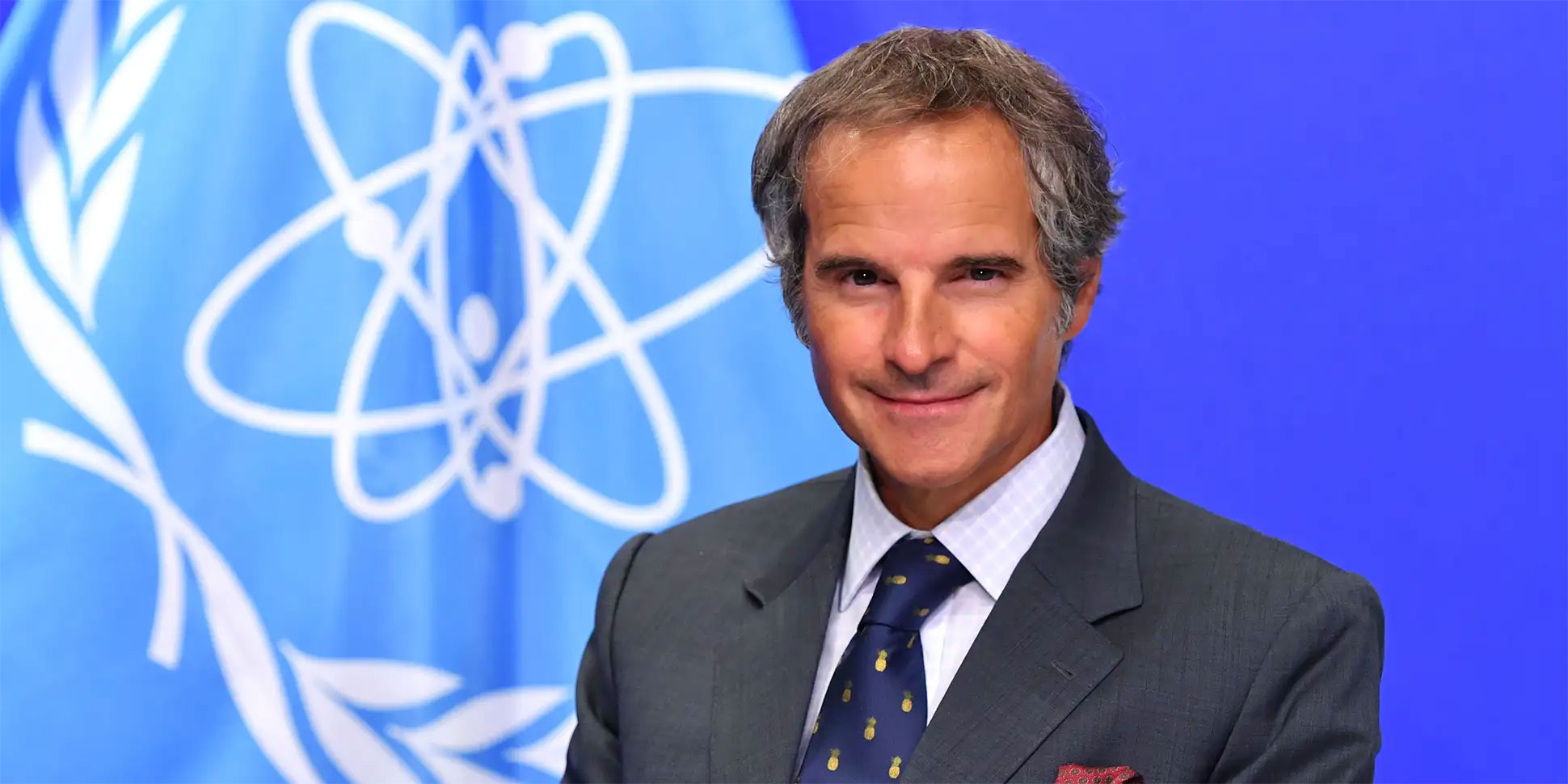
Argentine diplomat Rafael Grossi, who currently serves as Director General of the International Atomic Energy Agency, came in third place in the straw poll, according to PassBlue, a U.S. media outlet that covers the UN.
Grossi ranked behind Guyana’s Permanent Representative to the UN, Carolyn Rodrigues-Birkett, in second place, and Costa Rican economist Rebeca Grynspan, who currently serves as the Secretary-General of the UN Conference on Trade and Development (UNCTAD).
Grynspan was recognized for leading negotiations to allow Ukrainian grain exports to leave the country via the Black Sea during the height of the war with Russia.
Although a final decision isn’t expected until the end of the year, the poll results signal a shift that is 80 years in the making — that a woman could become the next chief administrator of the world’s largest intergovernmental organization.
“It’s time for women,” wrote Peter Thomas Muñoz Ledo, Mexico’s representative to the UN, on X, on July 29.
A former Argentine diplomat who spoke to Argentina Reports anonymously for fear of career repercussions, said the straw poll result is the first “political snapshot” of a Secretary General race in which gender has begun to gain weight in the debate.
“Even though there is still a lot to go in the process, the result speaks for itself: it’s time for women,” the diplomat said.
According to Denmark’s ambassador to the UN, Christina Markus Lassen, the Security Council will meet for a second straw poll on August 21 to continue the process of selecting Guterres’s successor when he leaves the post in December.
The consultation consists of a single vote in which the 15-member council expresses whether they encourage, discourage, or have no opinion on each of the candidates.
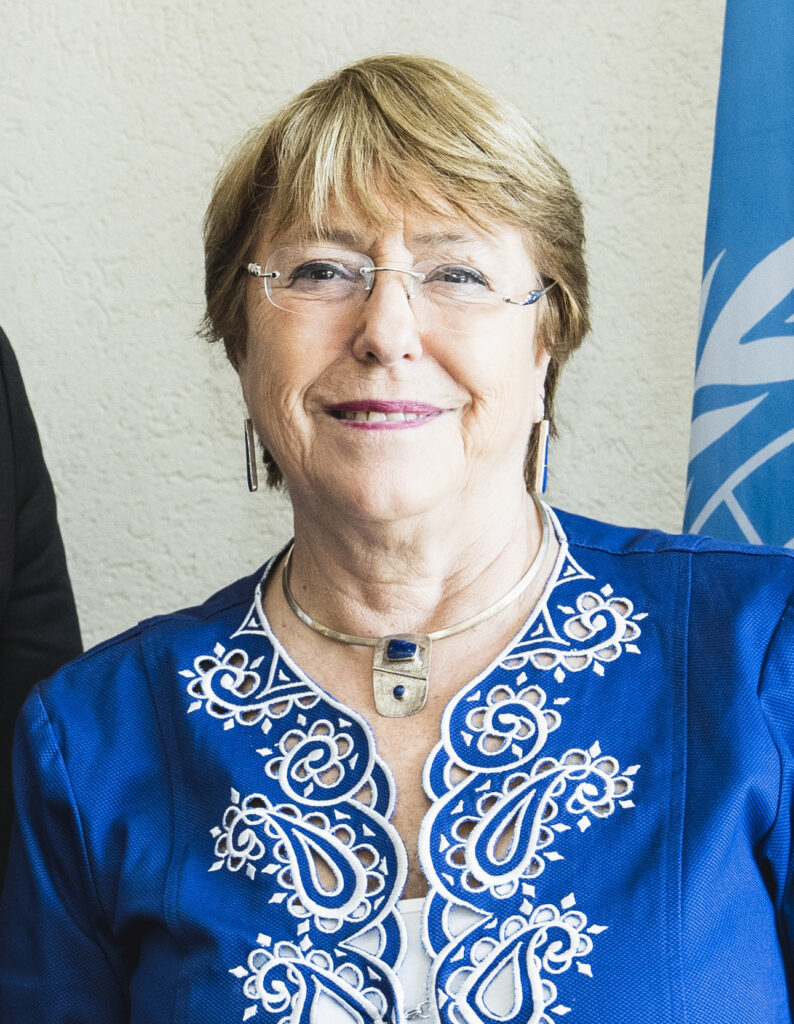
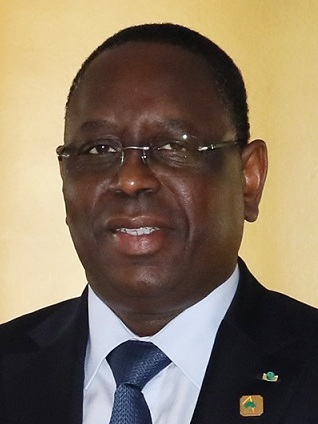
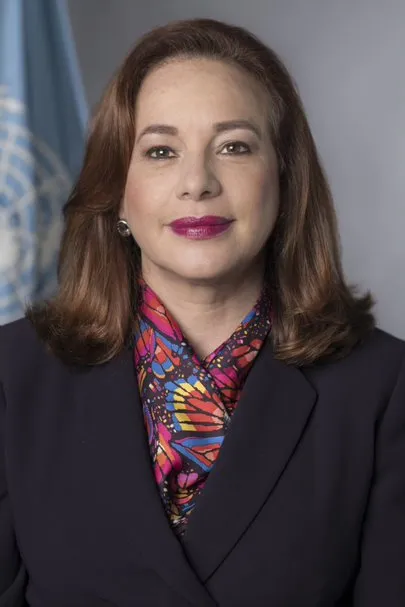
The race to succeed Guterres currently includes seven official candidates under consideration by the Security Council, including Michelle Bachelet of Chile, María Fernanda Espinosa of Ecuador, Macky Sall of Senegal and Olara Otunnu of Uganda.
The unwritten rule of regional rotation would imply that a Latin American should take over the role this term.

“The heart of multilateralism”
The process of choosing the UN’s future leadership comes amidst global fragmentation, increasing criticism towards multilateralism, and budget cuts, including the United States’ withdrawal as the UN’s largest contributor.
These issues have featured prominently in the candidates’ speeches, including those of Grossi, who was named one of TIME magazine’s 100 Most Influential People earlier this year.
During the opening of the candidates’ debate on July 23, the President of the General Assembly, Annalena Baerbock, defined the United Nations as “the heart of multilateralism” and called for finding “concrete” and “impartial” solutions to the main global challenges, noting that the organization represents “8 billion citizens of the world,” and emphasizing what the first informal survey would later reveal: that “half of the world’s population are women and girls.”
Despite the usual secrecy of the delegations, some of the permanent members of the Council (China, USA, Russia, United Kingdom and France) have started to show some clues on the eventual vote expected in the last quarter of the year.
Beijing, for instance, was the only permanent member to signal its preferences well before the first straw poll.
In May, Chinese Ambassador to the UN Fu Cong expressed the country’s desire for the next Secretary-General to be “truly committed to multilateralism”, “not excessively aligned with the policies of any single superpower” and preferably a woman.
“We would like to see better geographical representation, and if it were a woman after so many years, China would welcome that,” he said, reinforcing the gender factor in the poll.
On the other hand, the U.S. representative to the UN and a leading figure in Donald Trump’s MAGA movement, Mike Waltz, said last Thursday that the next Secretary-General must promote a profound “reform of the institution.”
“We’re off to a good start with the UN80, but we still need agencies consolidated, less headquarters, more field, and more of each dollar coming primarily from the United States but from other member nations out actually helping people in need.,” he told reporters following the straw poll.
For his part, Grossi has said on several occasions, including in an interview with Argentina Reports, that his candidacy stemmed from his work “on the ground” in the world’s most conflict-ridden areas — from Zaporizhzhia in Ukraine, to Iranian nuclear facilities — arguing that whoever leads the UN must “get their boots on” and “go to the ground” to resolve international conflicts.
Known in Argentina as the “nuclear Pope” — a play on his role in the IAEA and deceased Argentine Pope Francis — Grossi reiterated that line in his speech on July 23 during the candidates’ debate: “We need to do is to restore this credibility of the UN as a valid interlocutor, and then use the tools at hand.”
Featured image: Rafael Grossi
Image credit: IAEA