


The Briefing
- Argentina extended the concession on 35 airports until February 13, 2049, locking in Aeropuertos Argentina on a $600 million investment commitment focused entirely on Ezeiza, with 75% of works required to be complete by December 31, 2031.
- The deal traces its roots to the pandemic: between 2019 and 2020, the concession’s total revenue collapsed by 60%, prompting a first restructuring in 2020 and now a second extension adding eleven more years to the original contract.
- A $110 million runway overhaul at Ezeiza restricts operations from October 25 to November 11, 2026, forcing 14 airlines to cancel or reroute international flights, including temporary suspensions by American Airlines, Delta, and United.
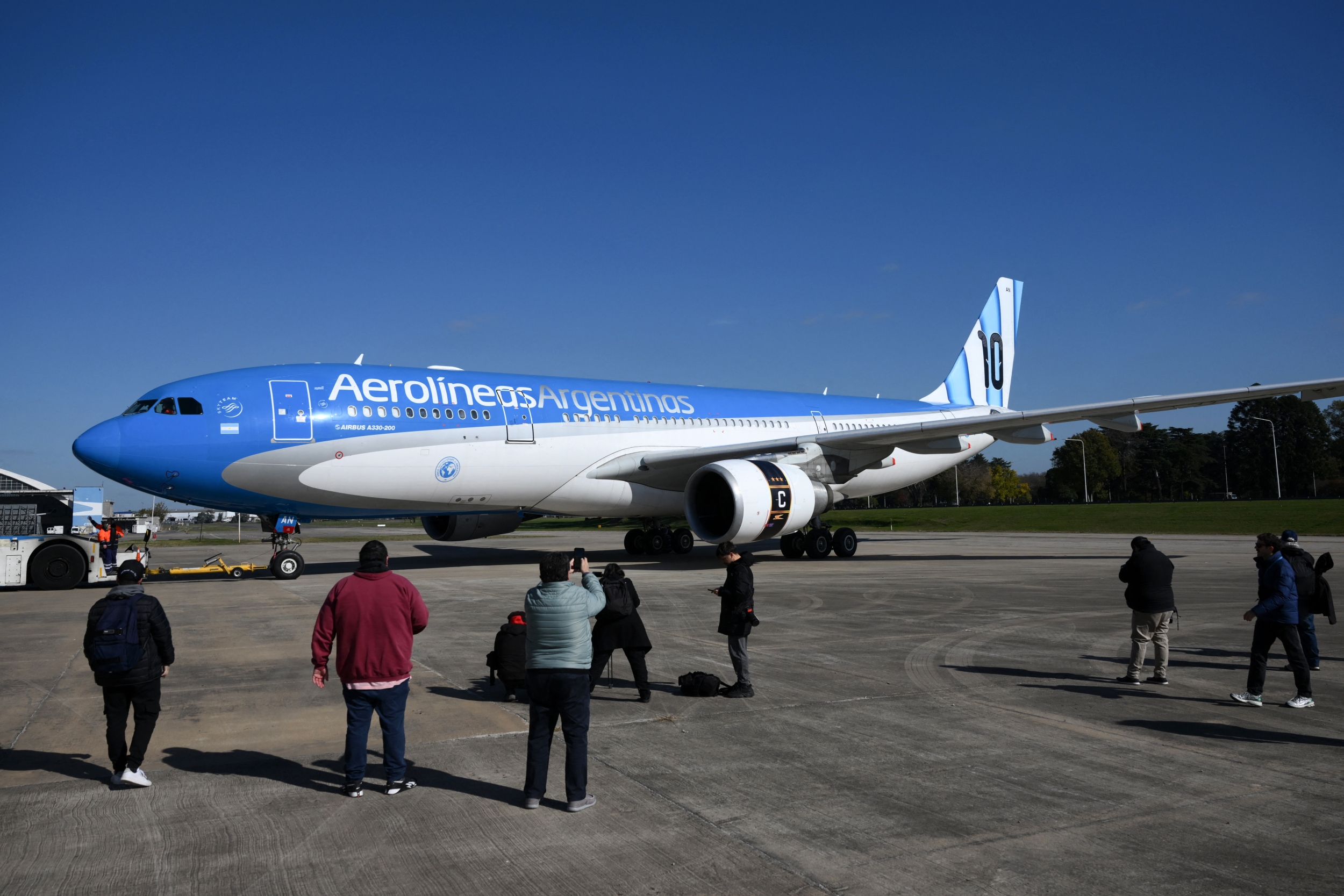
On September 28, 2026, the Argentine government sealed a renegotiated deal with airport operator Aeropuertos Argentina to extend the concession on 35 airports across the country through February 13, 2049. The price of that extension is a $600 million infrastructure commitment concentrated on Ezeiza — locked in against a backdrop of surging air travel demand, with the international market up 15% in the first half of 2026 and inbound tourism running 20% ahead of the same period a year earlier.
Ezeiza at the Center of the Plan
The $600 million is not spread across all 35 airports in the concession. The official agreement text earmarks the full additional investment specifically for the Ministro Pistarini International Airport in Ezeiza — the hub of Argentina’s international connectivity. Speaking at an American Chamber of Commerce event in Argentina, CEO Daniel Ketchibachian described Ezeiza as the only airport in Latin America with direct connections to all five continents, a distinction the company has framed in some official communications as unique within South America. Thirty-one airlines currently operate at the airport, serving 55 international and 35 domestic destinations.
A runway renovation running parallel to the concession extension is already creating short-term disruption. A $110 million project to rehabilitate the secondary runway and its intersection with the main runway limits the airport to one shortened runway — from 3,300 meters to just 1,850 — for 18 days between October 25 and November 11, 2026. The Buenos Aires Herald reported that 14 carriers stopped selling tickets for that window, including American Airlines, which chose to temporarily suspend its full Argentina operation while routing selected flights through Montevideo’s Carrasco Airport. Delta is canceling its Atlanta and New York services; United is suspending its Houston route. Air Europa discontinued ticket sales for its Madrid service during the period. Also among the carriers adjusting are Lufthansa, Air France, British Airways, Turkish Airlines, Emirates, Air Canada, Swiss, Ethiopian Airlines, KLM, and China Eastern.
A Deal Rooted in Pandemic Damage
This is not the first time Argentina has restructured this concession. The contract — originally set to expire in 2038 — was first extended in 2020 after the pandemic eliminated 60% of the concession’s total revenue between 2019 and 2020. That restructuring added roughly a decade to the timeline and required approximately $606 million in new investment, all of which has since been delivered. The current agreement piles eleven more years on top of that and layers in the new $600 million obligation as an additional burden beyond what was already completed.
What Aeropuertos Argentina Must Actually Deliver
The decision, published in Argentina’s Official Gazette on September 28, comes with a concrete accountability structure. Aeropuertos Argentina — the company controlled by businessman Eduardo Eurnekian through Corporación América Airports — must certify by June 30, 2027, through a globally recognized audit firm, that it holds sufficient funds, credit lines, or firm financial commitments to cover the full $600 million. At least 75% of the committed construction must also be physically finished before December 31, 2031. Meeting both conditions is what unlocks a potential further extension to 2056; falling short on either one caps the concession at 2049. Notably, the $600 million investment falls outside Argentina’s Large Investment Incentives Regime (RIGI), meaning the company must finance the works through its own financial arrangements without access to the tax and regulatory benefits that program provides.
Over the past five years, Aeropuertos Argentina accumulated more than $1 billion in investment across the network. Ezeiza alone handled 12 million passengers in 2025 — a 5.1% increase over the prior year — while the broader network moves approximately 43 million passengers annually and employs more than 2,000 people. International aviation across Argentina grew 13.2% in 2025 on a year-over-year basis, and airports outside the Buenos Aires metropolitan area recorded international passenger growth of approximately 43% in mid-2025 compared with the same stretch of 2024. By November of last year, roughly 46 million people had already traveled through Argentine airports for the calendar year — about 12% more than during the same period in 2024.
The Interior Is Not Being Left Behind
Running alongside the concession deal is a separate federal program for airports across the provinces. Through a public-private arrangement between ORSNA and Aeropuertos Argentina, the government is channeling more than $500 million into 13 airports across 11 provinces, covering 15 individual infrastructure projects. The airports in scope include Ezeiza, Aeroparque Jorge Newbery, Salta, Iguazú, Resistencia, Tucumán, Córdoba, Bariloche, Mendoza, Río Grande, Río Gallegos, Formosa, and San Rafael. A new passenger terminal is under construction in Formosa. A first phase completed in 2025 already delivered $156 million in finished investment across seven airports, with work done at San Juan, Viedma, Comodoro Rivadavia, Termas de Río Hondo, Río Cuarto, Aeroparque, and Ezeiza.
For passengers, the short-term friction is immediate: the October-November runway closure at Ezeiza disrupts schedules that were already booked, and the airport’s assurances about long-term gains do nothing for travelers affected now. Once the runway work is complete, Ezeiza projects a significant expansion in its capacity for wide-body aircraft. Over the longer arc, the $600 million investment is designed to allow the airport to handle greater volumes on long-haul routes, add new positions for narrow-body jets, and expand its cargo handling capabilities. Whether those gains land on schedule will depend on whether Aeropuertos Argentina hits the construction and financial milestones the September deal demands.
© {{Year}} Latin Times. All rights reserved. Do not reproduce without permission.


